

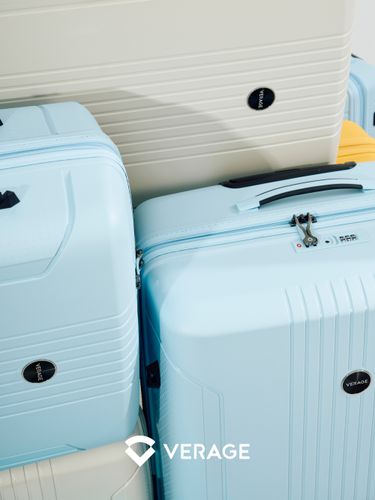
Suitcase Material Guide: How to Choose the Right Luggage for Your Travel Style
Which Luggage Material Is Best for You?
Choosing the right suitcase material comes down to your travel habits. PP (polypropylene) offers extreme impact resistance for frequent check-in travelers. PC (polycarbonate) provides the best all-around balance of lightweight and durability for carry-on users. ABS+PC delivers the best value for budget-conscious travelers. Aluminum offers premium looks but adds weight. Pure ABS is brittle and not recommended for regular use. VERAGE offers options across these categories: the Edinburgh series uses ultra-light PP for maximum durability, while the Cambridge softside collection provides water-resistant flexibility.
Why Luggage Material Matters
The material of your suitcase determines how long it will last, how much it weighs, and how well it protects your belongings. A well-chosen material saves you from broken wheels, cracked shells, and unexpected baggage fees. Understanding the five main material types helps you match your luggage to your travel frequency, trip length, and budget.
1. PP (Polypropylene): The Check-In Champion
PP is a lightweight, highly impact-resistant material that flexes under pressure and springs back to shape. It is ideal for travelers who frequently check their bags and face rough baggage handling.
- · Advantages
- o Extremely impact-resistant and durable
- o Flexible with excellent memory (returns to shape after compression)
- o Lightweight for its strength
- o Resists cracking and deformation
- · Disadvantages
- o Fewer style and color options compared to PC or ABS+PC
- o Design choices are more limited
- · Best for
- o Frequent long-haul travelers
- o Those who check their luggage on most trips
- o Travelers who want a suitcase that survives baggage carousels
The VERAGE Edinburgh series is crafted from ultra-light PP material, offering exceptional durability at just 2.2kg for the carry-on size. It is designed for travelers who need a lightweight yet tough suitcase for regular check-in use.
2. PC (Polycarbonate): The All-Round Performer
PC is a high-end material known for its excellent balance of light weight, scratch resistance, and flexibility. It is the go-to choice for premium carry-on luggage.
- · Advantages
- o Lightweight and easy to carry
- o Good scratch and abrasion resistance
- o High flexibility – bends under pressure without cracking
- o Premium feel and appearance
- · Disadvantages
- o Higher price point
- o Typically more expensive than ABS+PC options
- · Best for
- o Travelers who prioritize lightness and durability
- o Frequent carry-on users
- o Those willing to invest a bit more for quality
The VERAGE Nimbus series hard-shell suitcases are primarily made of polycarbonate (PC) material, featuring a lightweight design that is scratch-resistant and wear-resistant.
3. ABS+PC (ABS and Polycarbonate Blend): Best Value Choice
ABS+PC combines the hardness of ABS with the flexibility of PC, delivering excellent durability at an affordable price. It is the most popular material for budget-to-mid-range suitcases.
- · Advantages
- o Excellent value for money
- o Good balance of hardness and lightness
- o More impact-resistant than pure ABS
- o Widely available in many styles and colors
- · Disadvantages
- o Slightly heavier than pure PC
- o Not as premium-feeling as high-end PC or aluminum
- · Best for
- o Students on a budget
- o Daily commuters and weekend travelers
- o Most travelers who want durability without overspending
4. Pure ABS: Affordable but Fragile – Not Recommended
Pure ABS is a rigid plastic that is inexpensive but brittle. It is commonly found on very cheap suitcases, but its low impact resistance makes it prone to cracking, especially in cold temperatures.
- · Advantages
- o Very low cost
- o Lightweight (though less durable than PC or PP)
- · Disadvantages
- o Brittle and prone to cracking under impact
- o Drops or rough handling can cause permanent deformation
- o Performance degrades significantly in cold weather
- · Best for
- o Occasional, short-term or emergency use only
- o Not recommended for regular travel
5. Aluminum (Aluminum-Magnesium Alloy): Premium Looks, Premium Weight
Aluminum luggage offers a sophisticated, professional appearance and excellent crush resistance. However, it comes with significant weight and cost trade-offs.
- · Advantages
- o High compressive strength – protects contents well
- o Premium, business-class aesthetic
- o Excellent security (hard to pry open)
- · Disadvantages
- o Heavy – noticeably heavier than plastic suitcases
- o Expensive
- o Dents and scratches are very visible and difficult to repair
- · Best for
- o Business travelers prioritizing image
- o Short trips where weight is less of a concern
- o High-security needs
Summary: Which Material for Which Trip?
Travel Scenario | Recommended Material | Why |
Daily carry-on, short trips | PC or ABS+PC | Lightweight, flexible, easy to maneuver |
Frequent checked travel (long-haul) | PP or Aluminum | Maximum impact resistance for baggage handling |
Budget-conscious students | ABS+PC | Best value without major compromises |
Business travel, style-focused | Aluminum | Professional appearance, high security |
Occasional or emergency use | Pure ABS (not recommended for regular) | Inexpensive but short-lived |
Final Verdict
There is no single best material for everyone. The right choice depends on how often you travel, whether you check your bags or carry them on, and your budget. For frequent check-in travelers, PP (like VERAGE Edinburgh) offers exceptional durability at a light weight. For carry-on users who want balance, PC is the premium option, while ABS+PC provides the best value. Avoid pure ABS for regular use, and consider aluminum only if you are willing to accept heavier weight for a premium look.
VERAGE designs its luggage to match these real-world needs, with materials selected for specific travel patterns. Explore the Edinburgh series for PP durability or the Cambridge collection for lightweight softside flexibility.


©2024 shopastro All Rights Reserved.